Master the Purpose of Proposal Writing: Guide for Nonprofits
Uncover the purpose of proposal writing for nonprofits. Strategic tools for fundraising, program design, and accountability. Learn more today!

Abdifatah Ali
Co-Founder
A funding deadline is closing in. Your program team needs support to keep services running. Finance wants a tighter budget. The board wants confidence that the plan is realistic. And someone still has to turn all of that into a proposal that makes sense to an outside reviewer.
That's where many nonprofit leaders start to resent proposal writing. It feels like one more administrative burden piled on top of mission work.
I think that framing is a mistake.
The purpose of proposal writing is bigger than asking for money. A good proposal forces an organization to clarify what problem it is solving, what success looks like, what resources it needs, who is responsible for delivery, and how progress will be tracked. In practice, that makes proposal writing one of the most useful strategic disciplines a nonprofit can build.
When teams approach proposals this way, the work gets easier to manage and more valuable long after submission. The proposal becomes a planning tool, an alignment tool, and an accountability tool. It can even sharpen broader fundraising strategy, especially when organizations are also thinking about how to increase nonprofit revenue streams beyond a single grant cycle.
The Pressure to Fund Your Mission
A grant deadline hits at the same time a contract is ending, finance is asking hard questions, and program staff are trying to keep services running. The proposal lands in the middle of all of it.
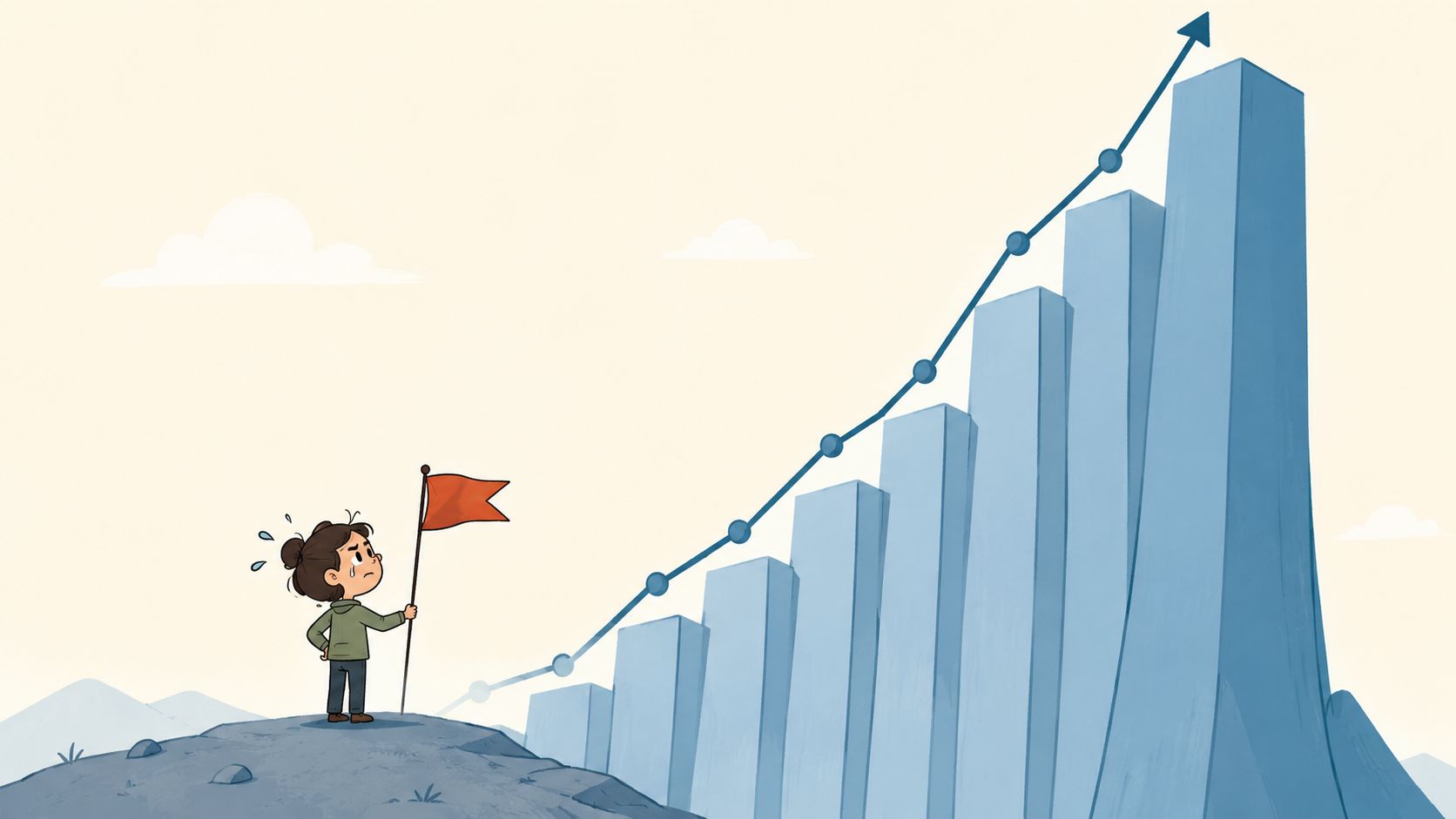
That pressure is familiar to anyone who has led fundraising inside a nonprofit. The urgency is real. Rent is due, staff need clarity, and communities cannot wait while the organization sorts out its case for support. Proposal writing gets treated like a last-mile writing task, but the actual problem usually starts earlier. The team may agree on the mission and still lack a shared answer to basic operational questions. What will happen, who will deliver it, what it will cost, and how success will be measured.
The writing process exposes that gap fast.
In practice, that is one of the fundamental purposes of proposal writing. It forces leaders to bring program design, budget discipline, evidence, and execution into one document that another party can evaluate. If that feels hard, it should. A funder is not only assessing whether the cause is worthy. They are assessing whether the plan is credible.
I have seen rushed proposals fail for reasons that had nothing to do with the need itself. The need was obvious. What was missing was internal alignment. Program promised one scope, finance priced another, and leadership assumed the reviewer would fill in the blanks. Reviewers rarely do.
Strong organizations use proposal pressure well. They use it to test whether the budget reflects actual delivery, whether outcomes match the level of funding requested, and whether the organization can explain its choices with confidence. That kind of discipline improves more than one application cycle. It also strengthens board communication, staff coordination, and broader revenue planning, especially for teams working on diversifying nonprofit revenue streams instead of relying on one grant at a time.
Proposal writing also depends on effective persuasive writing, but persuasion alone is not enough. Funders need a case they can trust, approve, and defend internally. A proposal earns that trust by showing that the organization has done the strategic work before asking for the money.
A rushed proposal usually reveals an existing strategy problem. It gives that problem a deadline and an audience.
Seen this way, proposal writing is not administrative spillover from mission work. It is part of mission execution. It helps nonprofit leaders turn urgency into decisions, and decisions into a plan someone else can fund.
Beyond the Ask What a Proposal Truly Is
A proposal is not a letter that says, “Please fund us.” It's closer to an architect's plan. The architect doesn't just ask for permission to build. The plan shows what will be built, why it is designed that way, what materials are required, what constraints exist, and whether the structure is sound.
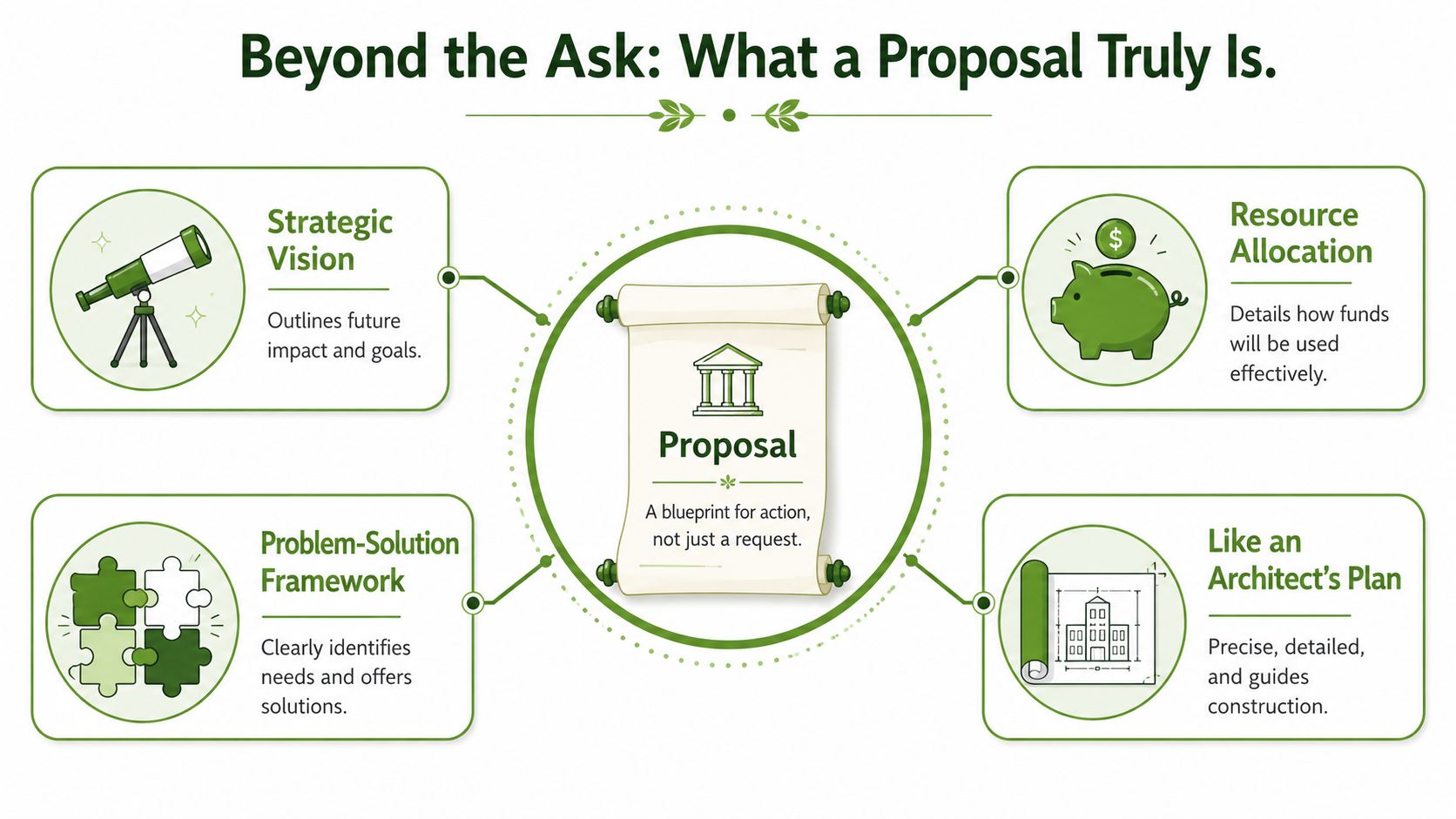
The same logic applies to nonprofit proposals. Reviewers are not buying aspiration alone. They are evaluating whether the organization understands the problem, has a plausible method, can deliver on the timeline, and can manage the resources requested.
A proposal is a blueprint for action
One useful definition comes from technical proposal guidance: proposal writing exists to translate a problem statement into an executable plan by specifying scope, methodology, resources, timeline, and costs, while also defining constraints, milestones, and deliverables so the reader can evaluate feasibility and authorize the work, as described in Hinz Consulting's explanation of technical proposals.
That definition captures what practitioners already know. A proposal has to do several jobs at once:
- Define the need: What problem requires action now.
- Show the path: How the organization will respond.
- Make execution legible: Who will do the work, in what sequence, with what resources.
- Reduce uncertainty: Why the reviewer should believe this plan is feasible.
The writing itself still matters. Strong structure, disciplined language, and a clear argument all matter. Teams that want to sharpen that side of the craft can learn from broader guidance on effective persuasive writing, especially when they're trying to make technical material easier for reviewers to trust.
A short primer can help if your team needs a visual walk-through before drafting.
What a proposal is not
A weak proposal usually falls into one of three traps.
| Trap | What it looks like | Why it fails |
|---|---|---|
| Mission-only writing | Strong values, vague execution | Reviewers can't assess feasibility |
| Activity dumping | Long list of tasks without logic | The plan feels busy, not strategic |
| Budget-first scrambling | Numbers assembled after the narrative | Costs look disconnected from method |
The strongest proposals avoid all three. They turn mission into method, method into budget, and budget into confidence.
Practical rule: If a reviewer can't explain your plan back to someone else in plain language, the proposal isn't ready.
The Five Strategic Roles of a Proposal

The reason proposal writing feels so heavy is that it carries more than one function. Nonprofits often treat it as a fundraising task assigned to development. In reality, a proposal sits at the intersection of fundraising, program design, finance, operations, and stewardship.
Recent instructional material also reflects that shift. Proposal writing has expanded into a team-based, data-backed coordination artifact, especially in nonprofits with limited staff, because it depends on shared vision, division of labor, and evidence collection from multiple contributors rather than a single writer working alone, as discussed in team-based proposal writing research from the University of Northern Iowa repository.
Fundraising and resource mobilization
At the most visible level, a proposal helps secure resources. That includes grants, contracts, sponsorships, and sometimes in-kind support.
But the strategic value isn't just the submission itself. The proposal process often reveals whether the organization is asking for the right thing. A team may begin by chasing unrestricted hopes and end with a more realistic request tied to actual deliverables, staffing, and timing. That shift improves both funding fit and internal discipline.
A practical example: a youth-serving nonprofit may think it needs funding for “program expansion.” Once the proposal work begins, the actual need turns out to be staff capacity, transportation support, and a better attendance tracking process. The ask gets narrower, but stronger.
Strategic program design and clarification
Proposal writing forces program logic into the open. If the problem statement is fuzzy, the objectives drift. If the objectives drift, the activities become generic. If the activities are generic, the budget becomes guesswork.
This is why experienced teams use proposal development to pressure-test program design. They ask hard questions early:
- What problem are we solving
- Who specifically benefits
- What will change because of this work
- What evidence will show that change
When those answers are weak, the proposal is weak. When those answers are strong, the organization usually comes away with a better-designed program even if the grant is never awarded.
Internal alignment and accountability
A submitted proposal becomes an internal commitment document. It says what the organization promised, how much it said the work would cost, and what timeline it proposed.
That makes proposal writing one of the most practical alignment tools a nonprofit has. Program staff, development, finance, and leadership have to agree on assumptions before the proposal goes out the door. If they don't, the organization creates future compliance and delivery problems for itself.
One of the healthiest things a proposal can do is force disagreement early, while there is still time to fix the plan.
A common example is staffing. Development may draft a strong narrative around outreach intensity, but program leadership may know that current staffing levels can't support that promise. Better to resolve that conflict in draft stage than after the award.
Funder relationship management
Every proposal teaches a funder how to understand your organization. It communicates not only what you want to do, but how you think.
A sharp proposal shows discipline. It tells the funder that your organization can define need, align activities with outcomes, and explain costs without hand-waving. Even when a proposal isn't funded, that clarity can strengthen future conversations because the funder has seen a serious, organized case.
On the other hand, generic writing damages trust. Reviewers can tell when a nonprofit has recycled language, ignored the stated priorities, or buried the actual request under broad mission talk.
Compliance and risk management
This role gets less attention than it deserves. A proposal sets expectations that later affect implementation, reporting, and renewal.
If your team overpromises, uses vague targets, or includes unsupported assumptions, the problem doesn't end at submission. It carries forward into award management. Staff then spend months trying to explain numbers they can't justify or deliverables they can't realistically complete.
That is why careful proposal writing reduces operational risk. It creates a cleaner record for implementation and reporting.
Here's a simple way to think about the five roles together:
| Strategic role | What the proposal does |
|---|---|
| Fundraising | Secures resources for a defined need |
| Program design | Clarifies logic, scope, and outcomes |
| Internal alignment | Gets staff on the same plan |
| Relationship management | Builds funder confidence and trust |
| Compliance | Creates a realistic basis for delivery and reporting |
How Proposal Components Serve Each Purpose
A proposal starts doing strategic work long before it gets submitted. The moment a team has to name the problem, choose outcomes, price the work, and assign timing, the proposal stops being a writing exercise and becomes an operating document.
That shift matters. Teams that treat proposal sections as separate boxes often produce documents that read cleanly but fall apart under review or during implementation. Teams that understand the job of each component usually make better decisions earlier.
Mapping the components
Use the table below to keep drafting tied to decision-making, not just completion. It helps each contributor see what their section is responsible for and where weak inputs create downstream problems.
| Proposal Component | Primary Purpose Served | Secondary Purpose(s) |
|---|---|---|
| Problem statement | Fundraising | Program design, relationship building |
| Goals and objectives | Program design | Accountability, compliance |
| Methodology or approach | Feasibility and authorization | Internal alignment, reviewer confidence |
| Evaluation plan | Accountability | Relationship management, compliance |
| Budget | Resource mobilization | Risk management, internal coordination |
| Timeline or schedule | Feasibility | Team alignment, compliance |
| Qualifications | Credibility | Relationship management |
A standard proposal structure usually includes an introduction, problem statement, objectives, approach, budget, schedule, and qualifications because funders are making more than a yes or no decision. They are judging whether the organization understands the work, can carry it out, and can account for the money responsibly.
What each component is really doing
The problem statement sets the strategic boundary for the entire proposal. It tells the reviewer what needs attention, who is affected, and why this response makes sense. If that section is broad or inflated, the rest of the proposal has to work around a weak foundation. A tighter statement gives the program plan, budget, and outcomes somewhere solid to connect.
The goals and objectives show whether the team has moved from intention to design. I have seen organizations with strong missions lose momentum here because they describe what they care about, not what they will deliver. Clear objectives force choices. They also make later reporting easier because staff know what success was supposed to look like from the start.
The methodology is where strategy meets operations. Reviewers are looking for a credible path from need to outcome, but internal teams need this section too. It clarifies roles, sequencing, and assumptions. Strong teams often draft this section in conversation, not in isolation, because program staff, finance staff, and leadership usually catch different risks. That same discipline also improves proposal communication across internal and external stakeholders.
The budget often reveals the truth faster than the narrative does. If staffing is thin, indirect costs are missing, or line items do not match the work plan, reviewers notice. So do implementation teams later. A good budget is not only persuasive. It is a management tool that shows what the organization believes the work will require. Teams working across grants, events, and partnerships often benefit from reviewing examples of crafting effective sponsorship proposals because the same discipline applies. The value offered, the audience served, the deliverables promised, and the cost all need to line up.
The evaluation plan signals seriousness. It tells a funder whether the organization intends to measure activity, outcomes, or both, and whether staff have thought about data collection before the grant starts. That has practical consequences. If the evaluation section is vague, program staff usually end up building reporting systems under pressure after award, which is expensive and avoidable.
The timeline tests feasibility in plain view. It shows whether the organization has paced the work realistically, considered dependencies, and matched deliverables to the grant period. A timeline that looks aggressive can still be credible if staffing and sequencing support it. A timeline with no detail usually raises questions the rest of the proposal then has to overcome.
The qualifications section does more than establish credibility. It helps reviewers assess execution risk. The strongest version is specific. Relevant staff, comparable projects, lived experience, technical capacity, and partnerships should all connect directly to the proposed work. Generic institutional praise does very little here.
Good proposals are built section by section, but they work because those sections support one strategy. That is the standard worth aiming for.
Writing for Reviewers Not Just Your Mission
Many nonprofit teams write as if the proposal's audience is the community they serve, their board, or their own internal staff. It isn't. The primary audience is the reviewer.
That sounds obvious, but it changes everything.
Grant guidance from the University of Wisconsin is clear that strong proposals must directly answer the funder's questions, follow required headings exactly, and tie need, goals, and outcomes back to the agency's mission. It also notes that proposal writing is technical writing, so plain, exact language is usually stronger than “inspiring” prose, as described in the University of Wisconsin grants writing guidance.
What reviewers need from you
Reviewers need to score, compare, and justify decisions. They are usually looking for fit, clarity, feasibility, and evidence. They are not looking for your most lyrical paragraph.
That means persuasive writing in proposals often looks less glamorous than people expect. It looks like this:
- Using the funder's language: If the RFP says workforce development, don't keep calling it your preferred term unless you also connect it directly.
- Following the order requested: Reviewers shouldn't have to hunt for your answer.
- Being concrete: Name the program, the audience, the activities, and the intended result.
- Keeping claims disciplined: If you can't support a statement, scale it back.
Many nonprofit leaders can strengthen this skill by investing in staff writing habits, not just proposal templates. A practical program for better writing can help teams get sharper at clarity, revision, and professional tone. Those same habits also improve broader effective communication strategies across development, reporting, and stakeholder updates.
Why plain writing is persuasive
Plain writing respects the review process. It reduces ambiguity. It shows that the nonprofit understands both its own plan and the funder's decision criteria.
If your proposal sounds impressive but makes a reviewer work too hard, it is less persuasive than a simpler proposal that answers every question cleanly.
A mission-driven organization should still sound human. But in proposal writing, credibility usually comes from precision, not flourish.
Common Mistakes That Undermine a Proposal's Purpose
Weak proposals aren't usually weak because of grammar. They fail because the strategy inside the document doesn't hold together.
Guidance on technical proposals emphasizes that persuasion is strongest when claims are evidence-backed and criteria-aligned, with measurable data, supporting references or case material, and direct responses to evaluation criteria because that increases credibility and reduces reviewer ambiguity, as noted in Xait's proposal writing guidance.
Mistake one, the solution doesn't match the problem
This is common. A nonprofit describes a broad community challenge, then proposes a narrow set of activities that only partially address it. The proposal may still be sincere, but the logic chain is broken.
Fix: Tighten the problem statement until it matches what the project can realistically address. If the intervention is limited, the framing should be limited too.
Mistake two, vague outcomes
Teams often write outcomes that sound positive but can't be evaluated. Words like improve, strengthen, support, and expand have their place, but they need operational meaning inside the proposal.
Fix: Define what success will look like in observable terms and explain how the team will know whether progress is happening.
Mistake three, generic reuse
Recycling old narrative can save time, but it often strips out the most important thing: funder fit. Reviewers notice when the proposal sounds portable enough to have gone anywhere.
Fix: Rewrite the framing, priorities, and language around the specific opportunity. Keep reusable building blocks, but customize the argument.
Mistake four, unsupported claims
Some proposals overstate need, impact, readiness, or capacity without enough support. That creates doubt fast.
Fix: Use current, relevant evidence where you have it and explain your logic. If your numbers or assumptions need interpretation, give that explanation. Unsupported certainty is less convincing than well-framed honesty.
Here's a quick diagnostic teams can use before submission:
| If you see this | It probably means |
|---|---|
| Big claims, thin detail | The proposal is selling aspiration, not execution |
| Long narrative, weak budget logic | Program and finance are not aligned |
| Perfectly polished prose, unclear answers | The draft was edited before it was structured |
| Reviewer questions answered indirectly | The team wrote for itself, not the scorer |
Turning Proposals into Strategic Assets
When nonprofits understand the purpose of proposal writing, the work changes. It stops being just a deadline document and becomes a management tool. It sharpens program design, exposes weak assumptions, coordinates staff, and creates a cleaner path from application to implementation.
That is especially useful when the actual challenge isn't just writing, but managing the moving parts around the writing. Teams need to track requirements, gather evidence, coordinate contributors, and keep a record of what was promised. Some organizations do that with shared drives, spreadsheets, and internal checklists. Others use dedicated tools.
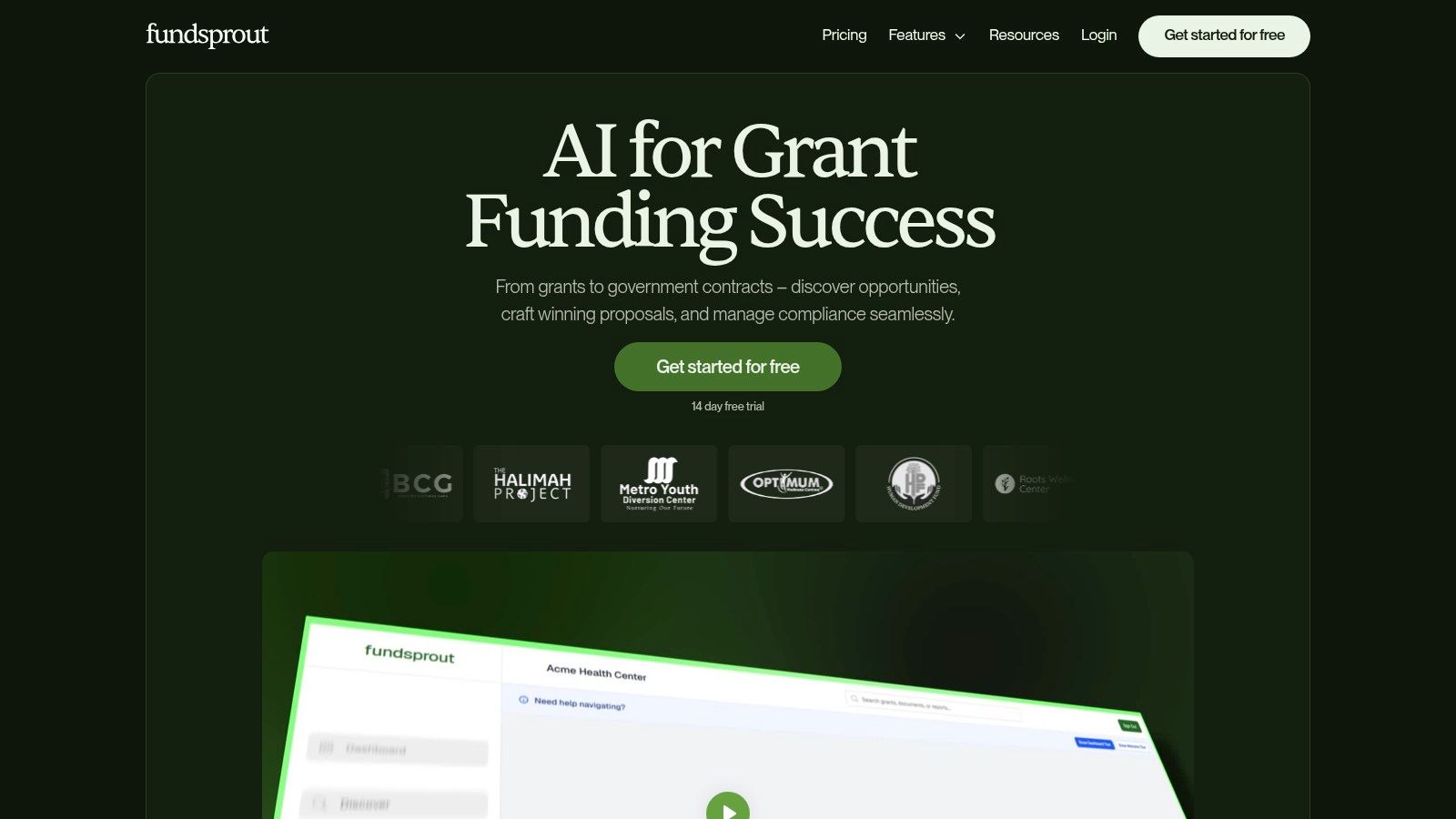
One option is Fundsprout, which helps nonprofits find funding opportunities, analyze RFPs, draft proposal sections using organizational materials and impact data, map deadlines, and maintain reporting records. For teams trying to build a stronger internal proposal process, that kind of system can support a clearer plan of record from application through renewal.
The point isn't to produce more words faster. It's to create proposals that reflect a better-run organization.
If your team wants proposal writing to do more than chase deadlines, take a look at Fundsprout. It's built for nonprofits that need a practical way to connect funding discovery, collaborative drafting, compliance tracking, and impact data in one workflow.
Try 14 days free
Get started with Fundsprout so you can focus on what really matters.