How To Get Grants For Nonprofit Organization Playbook
Learn how to get grants for nonprofit organization with a step-by-step guide to finding funders, writing winning proposals, and securing sustainable funding.

Abdifatah Ali
Co-Founder
Grant Funding Kickstart
Every nonprofit has to check the basic boxes: 501(c)(3) registration, a punchy organizational profile, and a smart outreach plan. Skipping any of these slows everything down and costs you valuable time.
Four funding buckets shape the grant environment. Federal Grants deliver large-scale awards tied to national agendas, while state and local opportunities often move at a faster pace to support neighborhood-level programs.
Private foundations usually focus on thematic initiatives, and their application windows stretch across moderate timelines. Corporate giving, by contrast, tends to back projects that align closely with brand values and community-impact goals.
Your nonprofit’s tax-exempt certificate isn’t just paperwork. It’s the key that unlocks most funders’ databases and portals.
Once you have that, you can register on platforms such as Grants.gov and Foundation Directory Online to get real-time alerts. Setting up those alerts means you’ll know the moment new opportunities go live.
In many cases, grant officers host live Q&A sessions on these portals. I once jumped into a 30-minute office hours call and learned a foundation was shifting its focus to youth programming. That insight alone helped us redirect our application and ultimately secure funding.
To streamline that process, keep this checklist handy:
- Write a mission summary highlighting measurable outcomes.
- Craft a 150-word outreach pitch that resonates.
- Block out 15-minute calls with program officers this week.
- Sign up for funder webinars to capture fresh priorities.
Outreach doesn’t need drama. A well-placed email with a clear ask can spark a phone meeting within days. Cultivating that personal connection makes every proposal stronger.
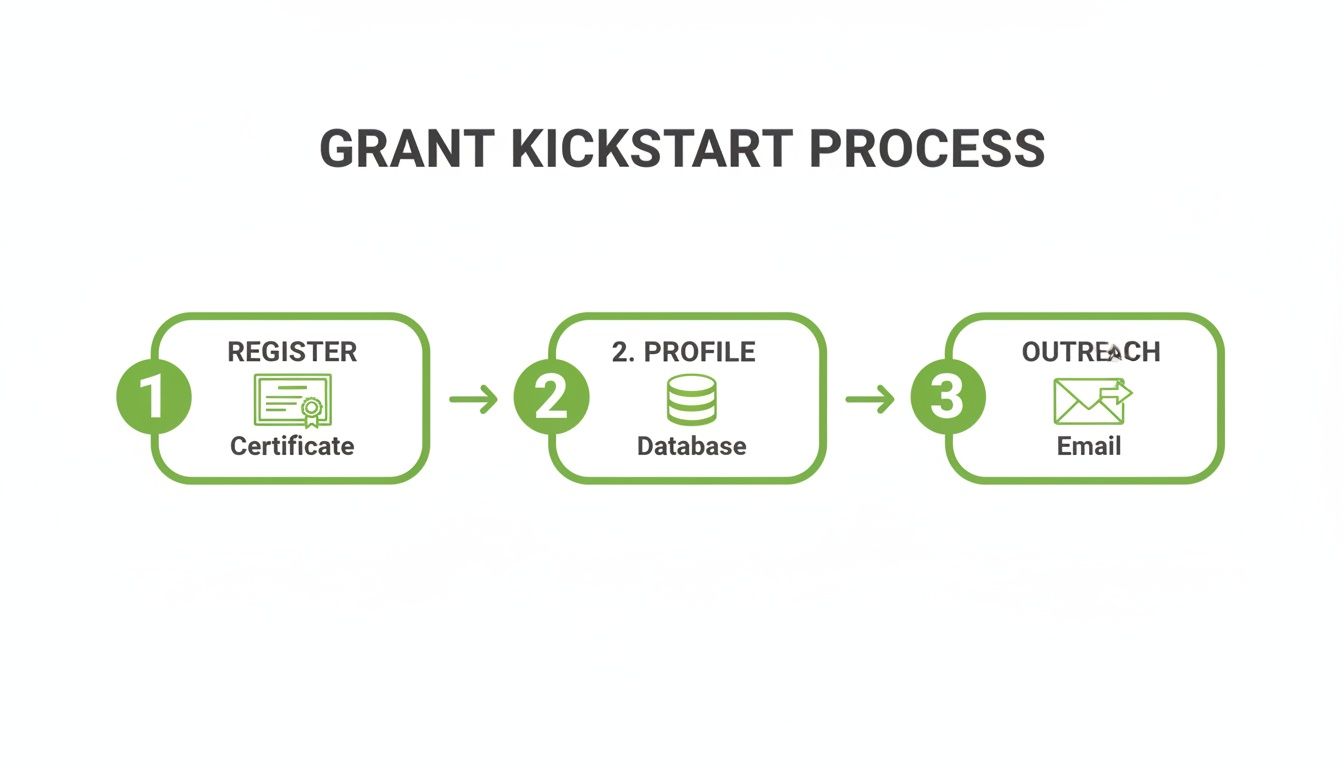
Key Takeaway: Register, profile, and reach out in quick succession to build immediate momentum.
Comparison Of Grant Types And Key Features
Below is a side-by-side look at the major grant categories. This should help you decide where to focus first based on project size and win rates.
Even if you’ve been in the grant game for years, these foundational steps often slip through the cracks. Complete them in under two weeks, and you’ll see your pipeline take shape faster than expected.
Finding Best Grant Opportunities
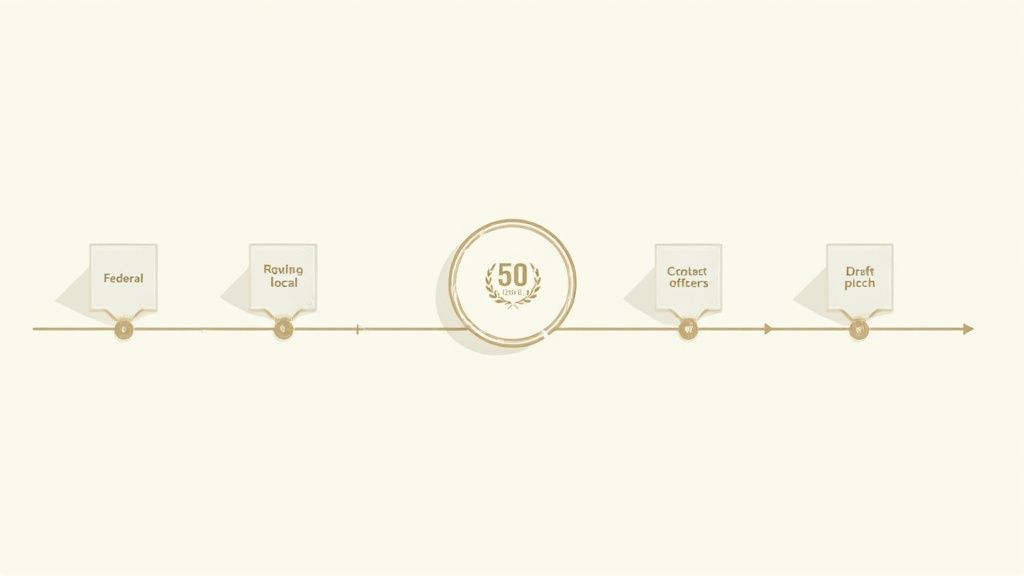
Zeroing in on funders with missions and budgets that align with yours makes all the difference. A practical way to do this is by using advanced filters on platforms like Grants.gov, Instrumentl, and state grant portals.
You can quickly narrow down opportunities by sorting on:
- Award Range to match your annual budget
- Keyword Searches such as “literacy program” or “community health”
- Submission Urgency so you don’t miss rolling deadlines
Setting these priorities from the outset keeps your calendar clear of stale opportunities.
Prioritizing High ROI Prospects
When a Chicago-based literacy nonprofit shifted focus to local community foundations, its prospect list jumped by 35% in just a month. Chasing both larger flagship awards and smaller, faster-turn grants ensures you keep funds flowing while you aim higher.
High-ROI funders might offer fewer awards but often provide multi-year funding that strengthens program stability.
Cultivating Program Officer Relationships
A quick, targeted email can transform your submission from just another file into a collaborative effort. Here’s what works:
- Research recent grants they’ve managed and mention shared interests
- Pose one focused question about eligibility or reporting
- Offer to send a concise 2-page project brief or book a 15-minute call
These tiny investments in relationship-building pay off when proposals need context or clarification.
Leveraging Local Funding Trends
Municipal budgets, community foundation sites and local newsrooms often spotlight grants absent from national sites. Make it a habit to:
- Check city and county portals every week
- Bookmark community foundation announcements
- Scan regional press releases for special calls
In 2024, U.S. charitable giving rose to a record $592.50 billion, with foundations contributing $109.81 billion and corporate grants up 9.1%. Giving USA underscores why foundations remain the backbone of nonprofit support.
For a handpicked list of open awards, explore our guide on available grants for nonprofit organizations at Fundsprout.
Translating Funder Language
Matching your narrative to the exact phrases funders use can make reviewers sit up and take notice.
Building A Structured Pipeline
Visualizing every quick-turn and flagship opportunity side by side keeps your team aligned. Try this approach:
- Identify your top 10 funders and log all key deadlines
- Assign an internal lead for each opportunity and set status-check dates
- Update your pipeline weekly with completed materials and next steps
Tip: Integrate your pipeline with calendar tools to trigger reminder emails automatically.
A routine review ensures no deadline ever sneaks up on you.
Utilizing Third Party Search Platforms
Services such as Instrumentl and GrantStation curate dashboards around your nonprofit’s profile. They’ll often surface hidden awards and region-specific programs. Key features to adopt:
- Custom Alerts for your preferred keywords, award sizes, and geographies
- Competitive Intelligence to see which peers applied for similar grants
- Side-by-Side Reports to compare funders at a glance
Evaluating Quick Turn Wins
Not every grant needs a six-month lead time. Spot these fast-turn gems to bridge gaps:
- Look for phrases like “open enrollment” or “continuous acceptances”
- Flag awards under $25,000 for swift review cycles
- Blend these with larger foundation targets to balance your calendar
Quick turns are your secret to maintaining momentum in busy grant seasons.
With these tactics in place, you’ll create a diversified, high-value pipeline ready for any funding cycle. Next up: crafting proposals that stand out—so keep your list warm and your data within reach.
Crafting Winning Grant Proposals
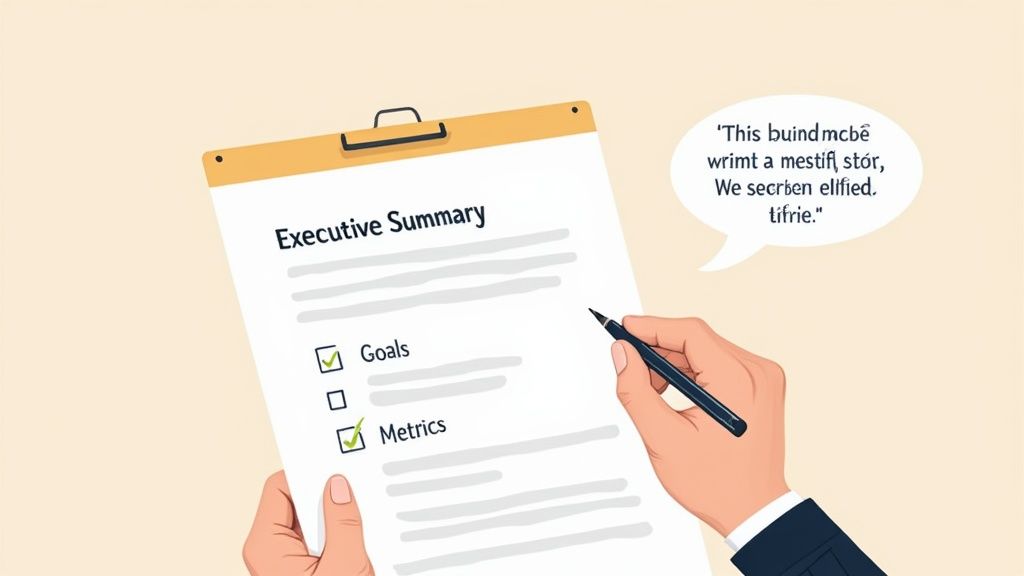
Every successful grant application tells a story that feels both clear and compelling. You want reviewers to understand your mission in the first few lines—and feel motivated to read on.
Open with a snapshot of impact and a concise problem statement. Then hint at the solution you’re offering and the results you expect.
- Lead with an attention-grabbing fact or anecdote.
- Frame the issue and your approach in plain terms.
- Tease the outcomes you’ll achieve.
Making Every Summary Count
Mirroring a funder’s own language shows you’ve done your homework. Sprinkle in phrases straight from their guidelines to build immediate rapport.
For instance, one conservation charity cited “measurable conservation outcomes” in its opening paragraph and saw its initial score climb overnight.
Key Insight: The way you position that first summary paragraph often decides whether a reviewer delves deeper.
Setting Clear Goals
Grant reviewers look for objectives that aren’t just wishful thinking. They want SMART targets—goals that are specific, measurable, achievable, relevant, and time-bound.
Use a quick checklist to sharpen your aims:
- State exact numbers (e.g., number of participants served).
- Assign a deadline to each milestone.
- Tie each goal back to a clear community need.
Weaving Impact Stories
Raw data tells one part of the tale, but stories make it memorable. An environmental nonprofit boosted its win rate from 18% to 42% after weaving in firsthand quotes and vivid outcome snapshots.
“A short, vivid beneficiary quote can shift a reviewer’s perspective,” recalled a grant officer.
Incorporating Data Metrics
Hard numbers give your proposal weight. Pull historical figures from past projects to establish realistic benchmarks.
Consider this: corporate giving jumped to $44.40 billion in 2024—a 9.1% increase—but still accounts for only 3% of all grant dollars. Craft proposals that speak directly to those decision-makers. Learn more on Double the Donation.
Using AI Tools Wisely
AI can speed up drafts and suggest structure—but it won’t know your unique story. Always feed in your own data and voice.
- Double-check any AI-generated text for accuracy.
- Layer in concrete project details.
- Add real beneficiary quotes to keep it human.
Templates To Guide You
A solid template saves time and ensures you don’t skip essentials. Download our nonprofit grant proposal template for a proven outline.
When customizing:
- Plug in your specific project context first.
- Tweak example budgets to match your true costs.
- Replace placeholders with real figures and narratives.
Tailoring For Each Funder
No two funders are the same. Scan their mission statements, annual reports, and recent awards to capture their voice.
- Borrow key phrases for your headings.
- Align budget categories with their priorities.
- Reference any past collaborations or shared goals.
Expert Tip: When your project story echoes a funder’s values, reviewers can’t help but pay closer attention.
Highlighting Beneficiary Voices
Personal testimonials bring proposals to life and underscore real need. Gather short, focused quotes and attribute them by first name and role.
- Select anecdotes that illustrate meaningful change.
- Offer anonymized versions when confidentiality matters.
- Always get written permission for quotes and images.
Proofreading And Final Review
A polished proposal signals professionalism. Have at least one colleague comb through every section.
Before you hit submit:
- Confirm page limits and font guidelines.
- Ensure all attachments and appendices are included.
- Cross-verify budget figures against narrative descriptions.
Reading the document aloud can also expose awkward phrasing or missing links between ideas. Take that extra ten minutes—it’s often the difference between “good” and “funded.”
Planning Budgets And Ensuring Compliance
Budgeting for a grant demands precision and foresight. Every line item should map directly to your project’s objectives while standing up to scrutiny.
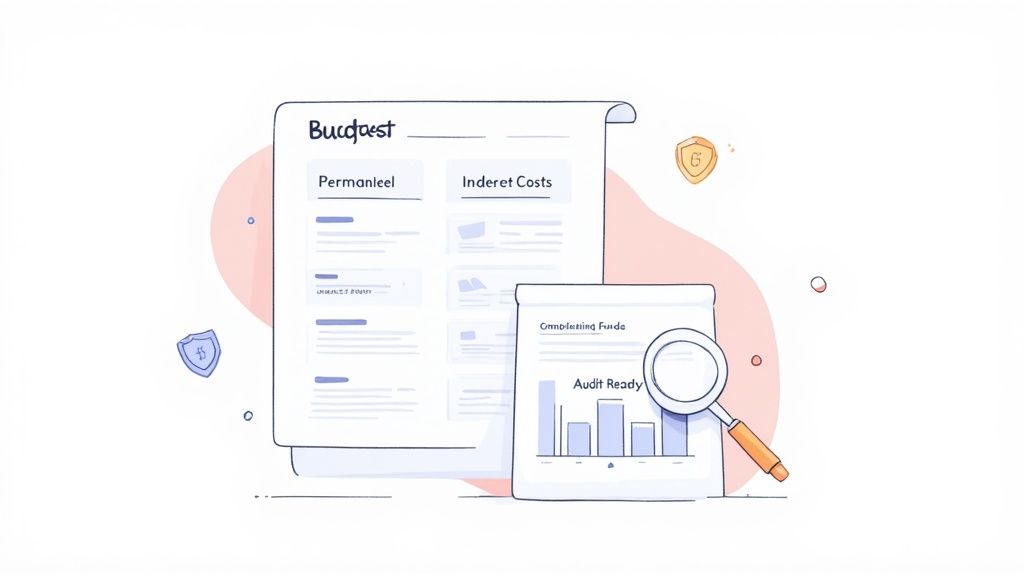
Start by listing cost categories—personnel, supplies, indirect fees, and matching funds. Clear groupings keep your finance team and your auditors on the same page.
Sample Budget Template Breakdown
The table below shows how segmenting costs can align spending with outcomes and speed up reviews.
Key Takeaway
Procurement clarity reduces audit queries by highlighting every dollar’s destination.
Tying Expenses To Project Goals
When $5,000 worth of supplies directly supports 100 participants, it tells a story. Reviewers see that you planned for every workshop kit.
To keep compliance tight, timestamp receipts and approvals in a dedicated spreadsheet or fund accounting tool. That way, when federal auditors come knocking, you can trace every dollar instantly.
Matching Fund Requirements
Most federal sponsors require a 20% match—either cash or in-kind. Track volunteer hours, partner contributions, and assign fair market values. A clear match ledger prevents surprises later.
Justifying Expenses With Credible Data
Numbers speak louder than claims. Show a 25% cost drop from bulk orders or reference sector benchmarks. Solid data turns a draft budget into a convincing case.
“Solid data justifications can transform a tentative budget into a compelling proposal,” says a grant officer.
Don’t forget your reporting calendar. Build quarterly and annual checkpoints into your timeline so you never miss a funder’s template.
Federal grants make up a huge slice of nonprofit dollars—with success rates hovering around 21% among 1.8 million U.S. nonprofits. Staying compliant gives you an edge. Learn more about grant statistics and trends on Instrumentl.
Ensuring Audit Readiness
- Numbered receipt logs for each expense
- Cost allocation worksheets that show your method
- Approval trails with signatures and dates
- A reporting calendar matching grant deadlines
- Detailed records for in-kind support
Check out our grant budget template to download a ready-to-use format that covers all these elements.
At one health nonprofit, proactive tracking cut audit findings by 80% in just a year. Fewer questions, faster check releases.
Overhead And Indirect Cost Strategies
Claim your federally negotiated rate if you have one. If not, set a reasonable cap so you don’t undersell your project or trigger audit alarms.
Roll overhead into each budget line and explain it in your narrative. This transparency builds trust with reviewers.
Final Tips For Financial Confidence
Pull finance and program teams together for a final walk-through. Double-check figures, narratives, and attachments.
Expert Insight
A pre-audit mock review often surfaces gaps before official audits.
Slot in regular budget health checks—monthly or quarterly—to catch discrepancies early. Organized, data-driven budgets keep funders confident and projects on track.
Submitting Applications And Follow Up Strategies
Securing a grant goes beyond hitting “submit.” It’s about crafting a clear application and then staying front of mind with funders. When you map out key dates and checkpoints from day one, stress shrinks—and your team avoids frantic, last-minute scrambles.
Building A Deadline Calendar
Start by gathering each funder’s deadlines into a shared spreadsheet or team calendar.
Use color codes to flag high-priority opportunities and note which components—like budgets or letters of support—are due when.
- Assign one point person for every proposal to keep accountability clear.
- Highlight overlapping deadlines so workload stays balanced.
- Schedule at least two internal review sessions before the final upload.
As soon as you outgrow manual lists, consider a lightweight project-management tool. Automating reminders keeps everyone on track and cuts down on costly oversights.
Automating Reminders And Tasks
Tools such as Instrumentl integrate with Google Calendar and Slack to send pop-up alerts at each milestone. You can:
- Push notifications for draft deadlines
- Tag team members directly in Slack channels
- Automatically update your calendar when a new opportunity pops up
“Automated reminders reduced our missed submissions by 35% in one quarter,” reports a small community health nonprofit.
A weekly recap email can round up progress, underline looming tasks, and give directors a clear snapshot of grant health. That level of transparency fuels smarter resource decisions.
This screen grab of Grants.gov’s dashboard highlights search filters and login options. Getting comfortable here means you’ll zero in on new funding streams fast and never miss an update.
Key Takeaway
Ten minutes exploring Grants.gov filters can save you hours during busy submission seasons.
Crafting Professional Follow Up Emails
A well-timed, concise follow-up can transform a submission into a conversation. Wait 10–14 days after you’ve applied, then send a note of 120–150 words max. Aim for a clear subject line that includes your grant title and reference number.
- Greet the program officer by name
- Briefly mention your project and its reference ID
- Politely ask if there’s any update or additional info needed
- Offer to provide extra materials or hop on a quick call
Follow Up Email Template
Subject: Update on “Youth Literacy Program” Application – [Organization Name]
Hello [Officer Name],
I hope you’re well. I’m following up on our application for the Youth Literacy Program (Ref #12345). Could you share any updates or next steps? We’re happy to provide additional data or schedule a brief call if that’s helpful.
Thank you for your time and consideration.
Best regards,
[Your Name]
[Title], [Organization]
Phone: 123-456-7890
Personalizing even small details—like referring to a conversation you had at their last webinar—can make your message stand out. Including the reference number speeds their search, too.
Reinforcing Relationships With Program Officers
Building rapport today sets you up for smoother renewals down the road. Aim for a short “fit check” call well before your next deadline. You might ask about evaluation rubrics or upcoming reporting changes.
Expert Insight
Personalized thank-you notes increased our reviewer response rate by 25%.
Crafting A Repeatable Process
Turn these steps into a reliable cycle: planning, submission, follow-up. Block out a weekly review slot, refine your automated alerts, and weave program officer insights into your prep work.
- Use templates for initial outreach and status checks
- Keep email drafts on hand but tweak each message with personal details
- Regularly update your deadline calendar as funder priorities shift
When your team treats grant applications as an ongoing conversation rather than a one-off task, you’ll forge stronger relationships and see better funding outcomes. Consistency is the secret ingredient to sustainable nonprofit success.
Measuring Impact And Renewing Grants
When you build impact tracking into your daily routine, you break free from last-minute scrambles and lay the groundwork for smoother grant renewals. Funders appreciate seeing your ongoing commitment to improvement—proof you’re not just meeting deadlines, but driving change.
Interactive dashboards turn raw data into a story. Instead of asking, “How do we land more funding?” you’re showing evidence-backed results on demand.
Setting Up Interactive Dashboards
Begin by picking metrics that tie straight back to your goals. Maybe it’s attendance percentages, referral tallies, or satisfaction ratings.
Connect your dashboard to live sources—Google Sheets, your CRM, even a simple database. That way, every update happens without lifting a finger.
- Define 5–8 KPIs that mirror both your program objectives and what funders care about.
- Use color-coded charts so anyone can see “good,” “watch,” and “alert” at a glance.
- Configure alerts for when a metric dips below or spikes above your comfort zone.
With this in place, your whole team shares one true version of the story, speeding up decisions and boosting transparency.
Collecting Qualitative And Quantitative Data
Numbers tell part of the story. Personal voices fill in the rest. Funders want both charts and anecdotes.
- Run mid-project surveys featuring open-ended questions.
- Conduct casual interviews or spot checks that highlight individual journeys.
- Gather photos, testimonials, even field logs in one shared folder.
Mixing hard data with real voices turns your mid-grant check-ins into engaging narratives, not just routine updates.
“A community health nonprofit boosted its renewal rate by 65% simply by sharing quarterly impact briefs filled with stories and visuals.”
That kind of success comes from combining evidence with emotion—and it’s achievable for any team.
Designing Impact Reports For Funders
A well-crafted report weaves together graphs, narratives, and budget snapshots in a way that keeps grant officers reading.
Use both mid-grant briefs and end-cycle overviews:
Automate the export of charts and numbers from your dashboard to these templates. Consistency removes guesswork—funders immediately know where to look.
Crafting Renewal Narratives That Resonate
Renewal proposals shouldn’t read like reruns. Focus on how you’ve grown, what you’ve learned, and where you’re headed next.
- Lay out original budgets side by side with your updated projections.
- Explain shifts driven by on-the-ground realities or unexpected costs.
- Highlight how reallocations boosted reach or trimmed overhead.
By blending concise impact snapshots with forward-leaning goals, you’re inviting funders into a conversation about partnership and progress.
Next Steps And Best Practices
Once your renewal story is drafted, bring program and finance leads together for a mid-cycle check-in. Alignment here prevents last-minute headaches.
Take advantage of Fundsprout’s automated reporting to funnel data into polished, branded documents. Then:
- Schedule your impact briefs as standing agenda items in board meetings.
- Perform monthly data audits so reports stay error-free.
- Run quick pulse surveys to capture stakeholder feedback on performance.
- Store all drafts, final reports, and raw data in a secure, version-controlled archive.
- Set renewal reminders six months before each grant expires.
With this rhythm, reporting becomes a strategic asset—not just a requirement. Your nonprofit will not only satisfy funder expectations but build an unmistakable case for growth.
Start by defining three core KPIs and naming a dashboard lead—right now.
FAQ
Q: What’s the best way to research funders?
A: Start by nailing down your project’s scope and funding requirements. From there, dive into databases like Grants.gov and Foundation Directory Online to narrow results by focus area, award size, and submission deadlines.
Rather than stopping at national sources, scan local council minutes or community reports—you might uncover smaller grant opportunities that fly under the radar. For instance, a rural education group we worked with spotted two county-level awards just by reviewing the latest meeting notes.
Once you’ve gathered prospects, plug key dates into your funding calendar. That simple step keeps you on track and prevents those “I missed the deadline!” headaches.
Q: How can small nonprofits compete with larger organizations?
A: Don’t try to sound like a Fortune 500. Your strength is nimbleness and deep community connections. Paint a vivid picture of the people you serve—quotes, photos, short stories—and back it up with concrete impact numbers.
Funders who focus on specialized outcomes often gravitate toward authentic narratives over broad, cookie-cutter proposals.
Q: When should we hire a professional grant writer?
A: If your success rate dips below 20% or your pipeline grows faster than your team can handle, it’s time to bring in outside help. A seasoned writer can hone your narrative, tighten budgets, and smooth out compliance issues.
You’ll often see a 30–50% jump in wins once the application process is fully optimized.
Personalized metrics and testimonials often sway reviewers more than broad statistics.
Common Questions
Q: What Are The Top Follow-Up Practices?
A: Keep the conversation going. Send a personalized thank-you within 48 hours of any decision. If a proposal falls short, politely ask for feedback and weave those comments into your next draft. And don’t wait until renewal season—share brief impact snapshots every quarter to remind funders why they invested in you.
Consistency here directly drives renewals and referrals down the road.
Use Fundsprout today to easily and reliably win more grants: https://www.fundsprout.ai
Try 14 days free
Get started with Fundsprout so you can focus on what really matters.